
Can Army Triple PrSM Missile’s Range ?
PrSM is preparing for its first 300-plus-mile flight test this year, while the ERCA cannon and hypersonic LRHW head for key tests in 2023.
PrSM is preparing for its first 300-plus-mile flight test this year, while the ERCA cannon and hypersonic LRHW head for key tests in 2023.
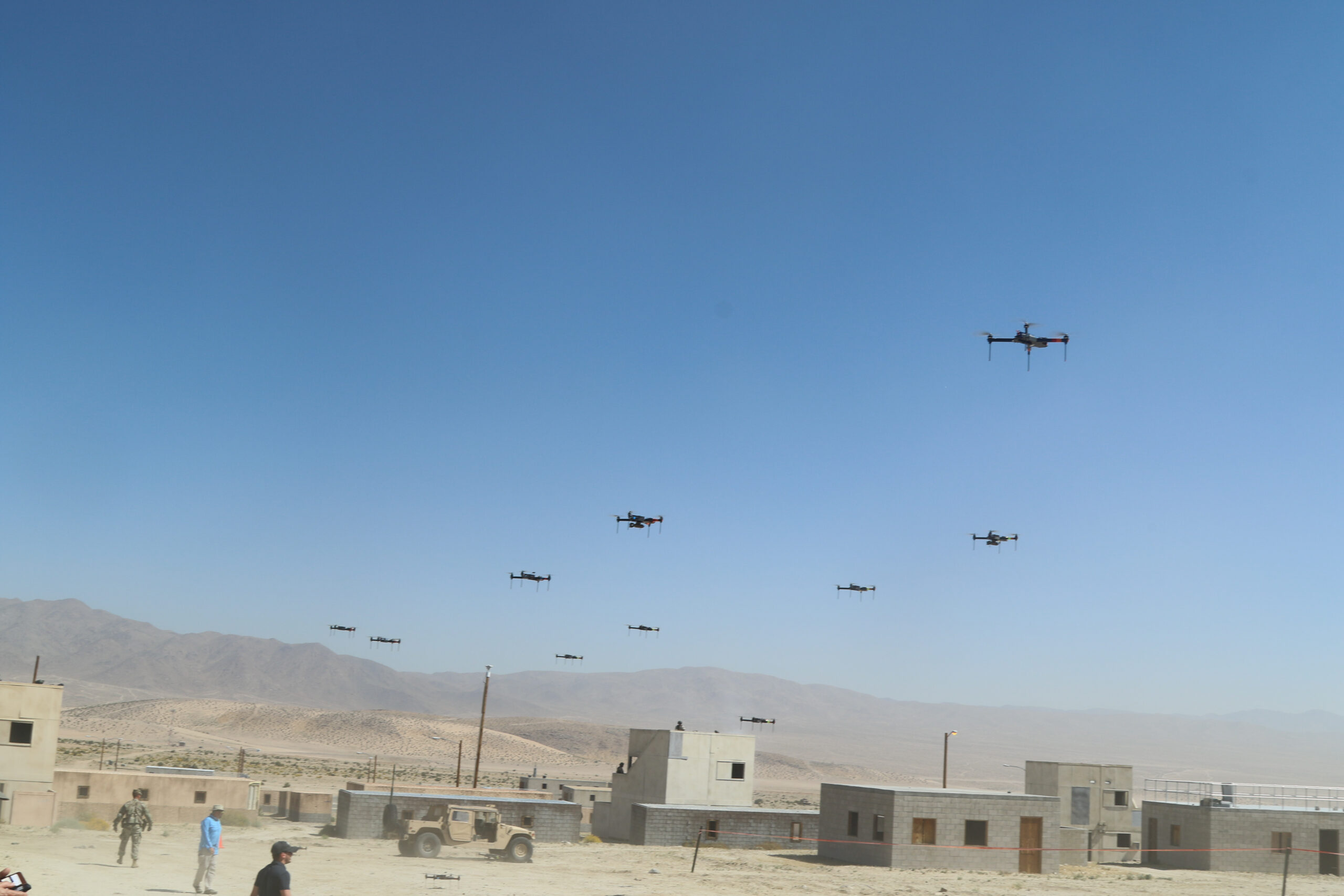
In April, the Yuma, Ariz. test range will host a competition of “low collateral damage” countermeasures designed to stop mini-drones without firing a shot. But can such a restrained approach stop the drone swarms Russia and others are developing?


Lithium-metal batteries are one way to break the weight and endurance limits of today’s unmanned systems.

Lockheed Martin won a $339 million contract today to integrate two Raytheon-made missiles, now used by the Navy, into a truck-mounted artillery battery by 2023.

Weapons from hypersonics to howitzers have key deadlines to meet next year to keep to the Army’s ambitious timeline, Lt. Gen. Neil Thurgood and Brig. Gen. John Rafferty tell Breaking Defense.

The modestly named “Mid-Range Capability” will hit targets more than one thousand miles away, Lt. Gen. Neil Thurgood tells me. But the brand-new program needs reprogramming authority from Congress to catch up to other Army missiles already in flight tests.

Meant to target Chinese warships and Russia’s rear bases, the new intermediate-range missile will fill the gap between the 500+ km PrSM and the Long-Range Hypersonic Weapon.


A decorated combat aviator and biotech CEO advocates preparing for novel viral threats before the next crisis.

Contractors are already “bending metal” on components for both 50-kilowatt and 300-kW lasers, Army scientist Craig Robin said.
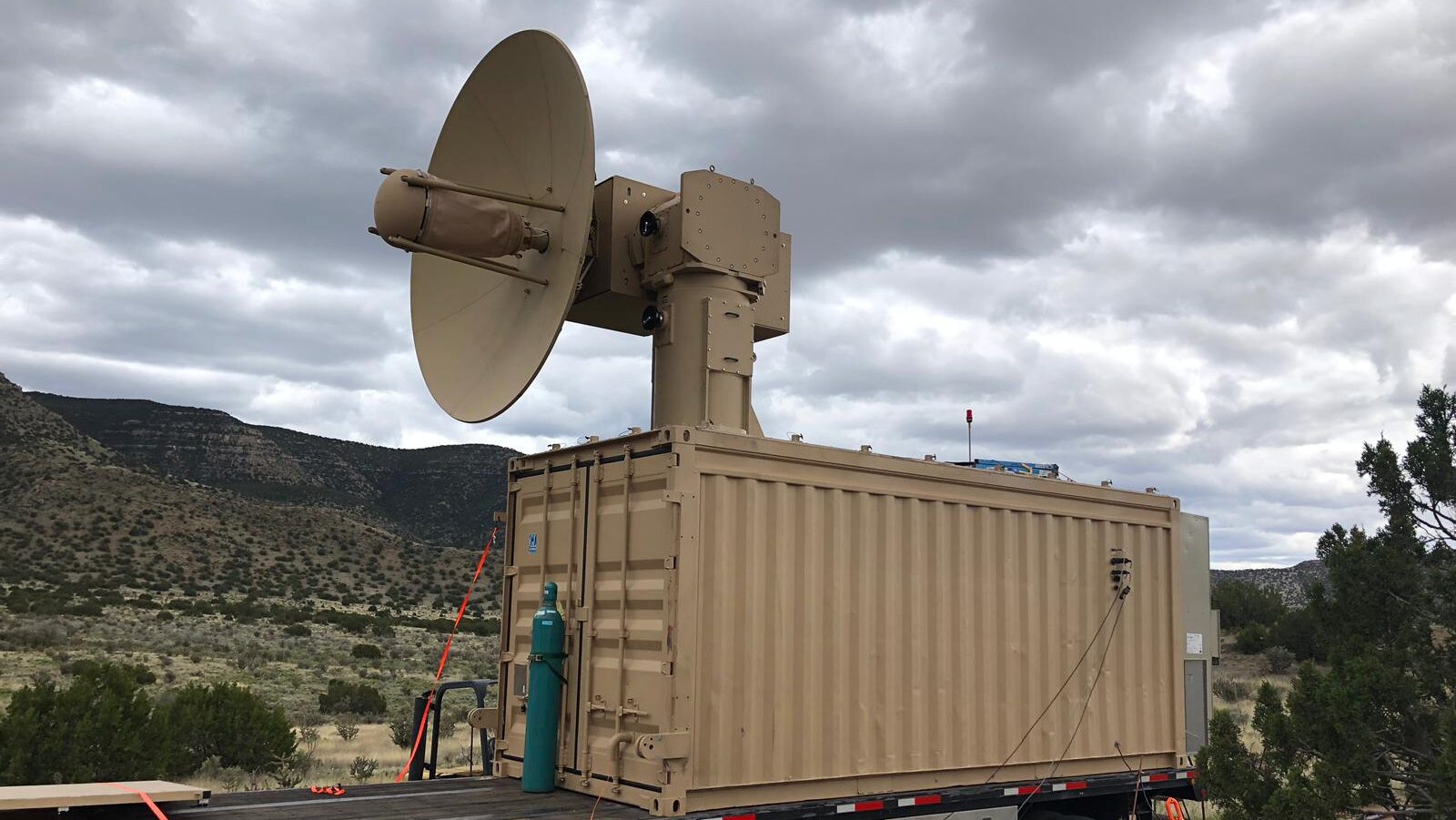
THOR puts high-powered microwaves to fry drone swarms' electronics in a rugged and deployable package.

“I've heard some people talk about [going] back to a BCA [Budget Control Act] level of funding,” Gen. Murray says, referring to the steep cuts also known as sequestration. “And I've heard some people say that it's even going to be worse than BCA.”
The first four flight tests – one a failure -- took nine years. The next five will take less than three years.


A commitment to long-term operational value.
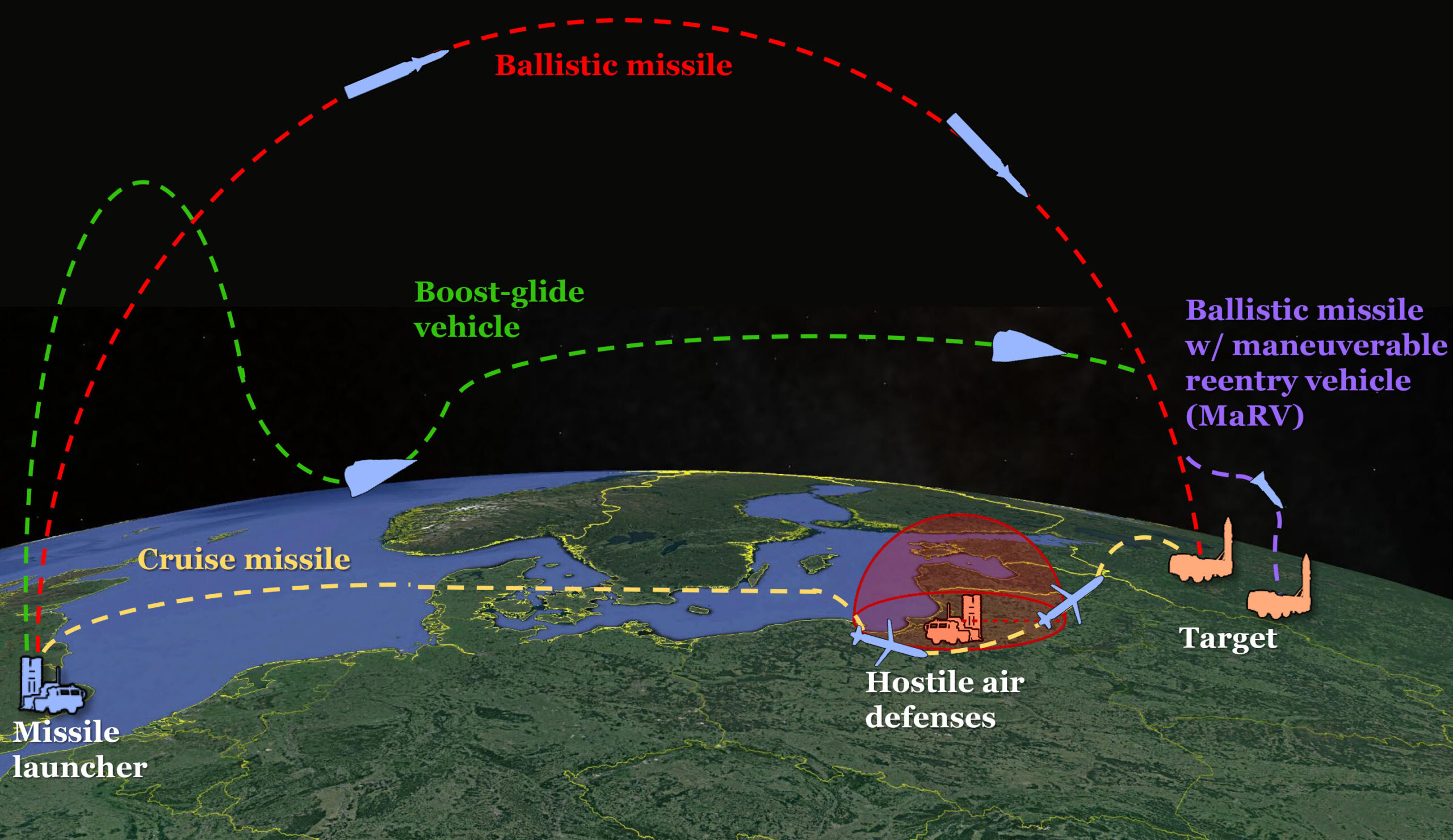
Research and development spending on hypersonics will nearly double in ‘21, and it will triple for lasers, as the service rushes to deploy combat-ready prototypes.

Dynetics will build the Common Glide Body for both the Army and Navy, which Lockheed will integrate into full-up weapons for the first Army battery by 2023.

Innovators who put forward the most promising white papers will be invited to pitch their idea to officials representing not only the Army but the other services, the joint Combatant Commands, and independent organizations like the Missile Defense Agency.

Instead of building a 100-kilowatt weapon, the Army now plans to leap straight to 250 or even 300 kW -- which could shoot down much tougher targets.